PSSR Training Update: Inclusion of Sexual Harassment & Anti-Bullying Policies
- By: Admin

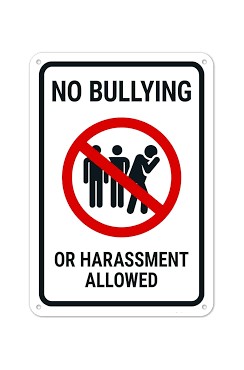
The PSSR course has been enhanced to incorporate anti-harassment and anti-bullying policies, reinforcing the importance of maintaining a safe, respectful, and professional working environment at sea. These amendments emphasize seafarers’ responsibilities toward fostering dignity, mutual respect, and effective teamwork onboard vessels.
The updated content addresses:
• Awareness of harassment and bullying in the maritime workplace
• Prevention strategies and acceptable conduct at sea
• Reporting procedures and support mechanisms
• The role of individual responsibility in promoting a safe shipboard culture
To improve accessibility and learning flexibility, this updated PSSR module
is now available online. Trainees can complete the training remotely at their
convenience, followed by a short assessment test designed to confirm understanding
of the key concepts and responsibilities.
Successful completion of the online module and assessment forms part of the mandatory PSSR certification requirements. Trainees are encouraged to enroll in the updated PSSR module promptly and ensure compliance with all certification requirements.
For further information or assistance, please visit the Contact Us section of our website
Coastal Maritime Academy has introduced an upgraded certificate verification system in response to evolving compliance requirements within the Nigerian maritime sector and the Nigerian Maritime Administration and Safety Agency (NIMASA), in alignment with international maritime standards under the STCW Convention.
This development reflects the industry’s continued shift toward
digital authentication and real-time verification of maritime
training certificates, aimed at improving transparency, reducing
fraud, and ensuring compliance with STCW requirements and global
best practices.
In line with current best practices, maritime certificates are now
subject to direct verification through official digital records.
Employers and regulators are encouraged to confirm certificate
authenticity via approved verification systems, rather than relying
solely on physical documents, in accordance with STCW-aligned
verification standards.
In addition, Coastal Maritime Academy has upgraded all newly issued certificates to include a secure QR Code verification feature. Each certificate can now be authenticated instantly by scanning the QR code, which links directly to the trainee’s official record. This enhances verification efficiency while improving trust, security, and traceability of all issued credentials.
Holders of earlier or expired certificates are advised to undergo renewal to ensure continued compliance with updated verification standards and industry requirements.

STCW maritime qualification training used to be a one-time training course, however, technology and safety practices are constantly evolving which makes an up-to-date training crucial for everyone’s safety at sea.
The STCW Convention 1978 has been amended by the 2010 Manila Amendments and contains new training requirements. The new requirements had been the latest standard since 1 January 2017 which mandate that all seafarers are required to undertake appropriate additional training in compliance with the Manila Amendments in order to hold the updated certification. With the new STCW requirements, all seafarers are now mandated to re-validate their stcw certificate every five years.
To update or renew your stcw certificate with Coastal Maritime Academy (a NIMASA approved maritime training Institution), please locate the course you'd like to renew the certificate on our course page or home page, then click the "Renew Certificate" button to proceed with the process.
The U.K. Marine Accident Investigation Branch released its report regarding the November 2017 death of a deckhand on the fishing vessel - Illustris.
At the time of the accident, the fishing vessel - Illustris was berthed outboard of fishing vessel Northern Quest, which was secured alongside at Royal Quays Marina in North Shields. The deck lights of both vessels were on. The wind was light and the weather was clear and dry, although the decks and guardrails of both vessels were damp from earlier showers. The air temperature was 3-4°C, and the sea temperature was approximately 10°C.
To access the fishing vessel - Illustris, the crew needed to board Northern Quest through the quayside by climbing down a vertical ladder set into the quay wall or stepping across the gap between the quay wall and the vessel depending on the height of tide then climbing over the vessel’s shelter deck guardrails.
To cross over from Northern Quest to the fishing vessel - Illustris, crew had to climb over Northern Quest’s guardrails, step across the gap between the two vessels then climb up the steps set into Illustris’s side and over its shelter deck guardrails.

The investigation report stated the following safety lessons:
1. The deckhand’s high levels of alcohol are likely to have adversely
affected his risk perception, reaction time and co-ordination, which
might have caused his fall. The deckhand’s fall was not witnessed which
made a prompt rescue impossible.
2. Living on board any vessel with alcohol consumption introduces
additional high risks
3. While limited alcohol consumption may be acceptable in port, there
is a need to ensure that it does not compromise the safety of those
crew who need to return to their vessels.
The vessel - Illustris’ risk assessment for boarding and leaving the vessel did not include a control measure requiring the wearing of a PFD. The listed control measures did include “Try not to disembark alone.”
However, the discretionary nature of the measure and its restrictive scope in applying only to leaving the vessel and not requiring a nominated crewman to monitor individuals boarding or leaving the vessel, rendered it of limited value, states the report.
Illustris’ owner, Sagittarius Fishing, has been recommended to take account of the hazards associated with crew members proceeding to and from shore for recreational activities and to establish a formal drug and alcohol policy.